

Bentonite Detox: Benefits, Safety, and How It Works
Bentonite is a naturally occurring clay mineral that has moved from industrial job sites and cat litter pans into the spotlight of wellness and detoxification protocols. If you have spent any time researching gut health or heavy metal cleansing, you have likely encountered bentonite as a recommended supplement. But what exactly is this gray-green powder, and does it live up to the claims? This article separates geological fact from marketing hype, giving you a clear-eyed look at how bentonite works, which type you should use, and what the science actually says about its safety and efficacy as of 2026.
Table of Contents
What Is Bentonite? (The Geological Foundation)
Bentonite is not a laboratory creation. It is a soft, porous clay formed over millions of years from the weathering of volcanic ash, typically in ancient seawater or through hydrothermal circulation. The primary mineral that gives bentonite its unique properties is montmorillonite, a member of the smectite group. This mineral structure is what allows the clay to expand dramatically when wet.
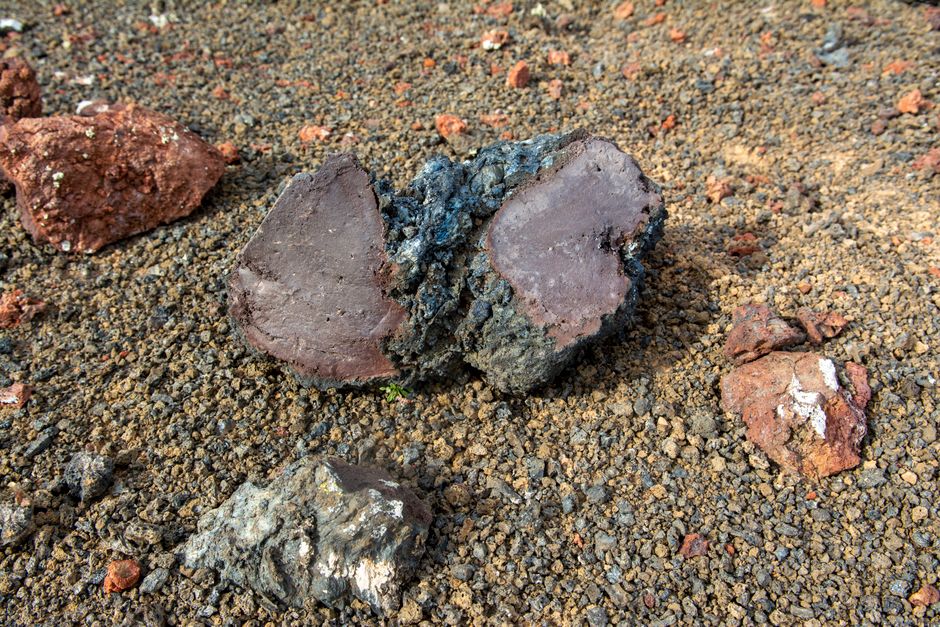
Geologists categorize bentonite into two main types based on the dominant exchangeable cation. Sodium bentonite is the high-swelling variety, capable of absorbing up to 10 times its own weight in water and expanding up to 16 times its dry volume. Calcium bentonite swells less but is generally considered more suitable for internal human use. The name itself is a nod to American geology. In 1898, Wilbur C. Knight identified the clay near Rock River, Wyoming, and named it after the Benton Shale formation, which stretches through Wyoming and into Montana.
The United States is the dominant global source of this mineral. Wyoming alone holds an estimated 70 percent of the world's known bentonite supply. The state operates 15 active mills, all using surface mining at depths no greater than about 50 feet. In 2018, total worldwide bentonite production reached 20.4 million metric tons, and a significant portion of that came from the American West. While most of that tonnage goes toward kitty litter, drilling mud, and foundry molds, a small but growing fraction is processed for food-grade and cosmetic applications. Understanding this industrial backbone is key to evaluating the purity and sourcing of any bentonite product you plan to ingest.
Sodium vs. Calcium Bentonite: Which One Is for Detox?
The distinction between sodium and calcium bentonite is not a minor technicality. It is the single most important factor determining whether a product belongs in your supplement cabinet or your tool shed.
Sodium bentonite is the workhorse of industry. Its extreme swelling capacity makes it ideal for sealing ponds, plugging abandoned wells, and lubricating drill bits as drilling mud. It also happens to be the primary ingredient in clumping cat litter. For human consumption, sodium bentonite presents two problems. First, its high sodium content is unnecessary and potentially problematic for those monitoring salt intake. Second, its aggressive expansion in the presence of water raises the risk of intestinal discomfort or blockage if not hydrated perfectly. Most reputable detox protocols steer clear of sodium bentonite for internal use.
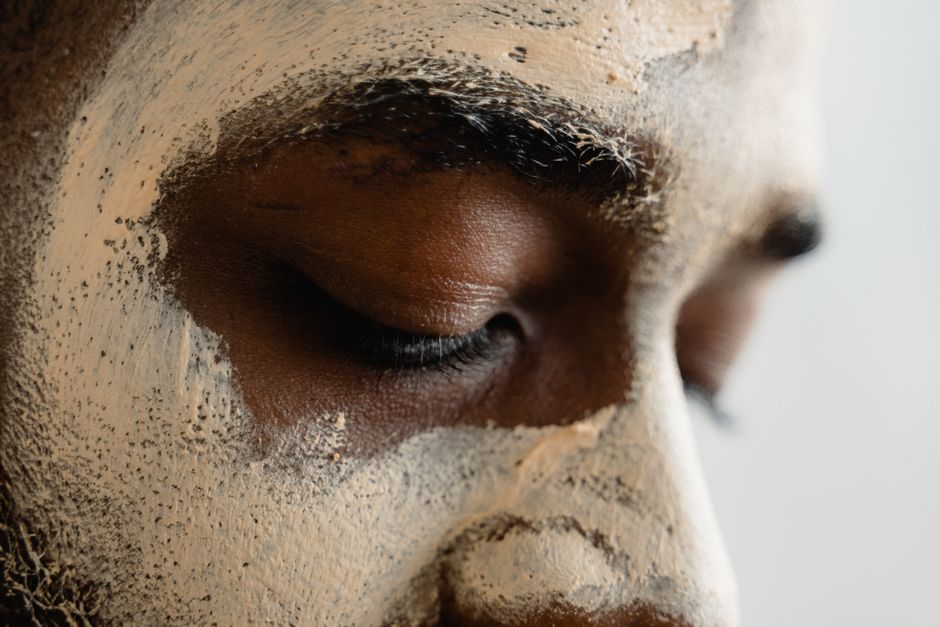
Calcium bentonite is the clay you want for health applications. It swells less aggressively, making it gentler on the digestive tract. This is the material typically marketed as "healing clay" or "detox clay." Calcium bentonite carries a negative ionic charge, which is the basis for its toxin-binding claims. When mixed with water, it creates a smooth, almost creamy suspension that is easier to drink and less likely to cause mechanical issues in the gut.
A quick comparison clarifies the choice. Sodium bentonite can swell up to 16 times its dry volume and has a higher pH, while calcium bentonite typically swells by a factor of 3 to 5 and has a pH closer to neutral. Sodium bentonite is used industrially for sealing and drilling, whereas calcium bentonite is used in supplements, face masks, and animal feed. For safety, sodium bentonite is not recommended for regular ingestion, while food-grade calcium bentonite is generally recognized as safe when used correctly. If the label does not specify the type, contact the manufacturer before swallowing it.
How Bentonite Works for Detoxification (The Mechanism)
The detoxification claim hinges on a single physical process: adsorption. This is not a typo for absorption. Absorption means a substance is drawn into the interior of another material, like a sponge soaking up water. Adsorption means particles stick to the surface of a material. Bentonite particles carry a strong negative ionic charge on their vast surface area. Many toxins, heavy metals, and metabolic byproducts in the gut carry a positive charge. Opposites attract, and these positively charged compounds bind electrostatically to the surface of the bentonite particles.
Because bentonite does not dissolve in water and is not digested by the body, it acts as an inert carrier. Once toxins are adsorbed onto the clay's surface, they travel through the digestive tract and are eliminated in stool. The clay itself does not enter the bloodstream. This is the theoretical model, and it is supported by in-vitro studies and animal research showing that bentonite can bind aflatoxins, heavy metals like lead and cadmium, and certain pesticides.
However, a critical caveat must accompany this explanation. As of 2026, high-quality human clinical trials remain sparse. Most of the mechanistic evidence comes from laboratory experiments and livestock studies. The human digestive system is more complex than a beaker, and variables like stomach acid, gut microbiome composition, and transit time all influence how effectively bentonite performs its adsorptive function. The swelling property also creates a bulking effect in the intestines, which can help regulate bowel movements and provide relief from occasional diarrhea or constipation, independent of any toxin-binding activity.
Potential Health Benefits (Supported vs. Anecdotal)
The gap between anecdotal enthusiasm and peer-reviewed evidence is wide when it comes to bentonite. Here is where the science stands in 2026.
Digestive support is the most commonly cited benefit. Users report reduced bloating, firmer stools, and relief from symptoms associated with irritable bowel syndrome. The proposed mechanism involves binding to endotoxins produced by gut bacteria, which may reduce intestinal permeability, often called leaky gut. Animal studies support this, but human data remains limited to small observational reports rather than large randomized controlled trials.
Heavy metal binding has stronger mechanistic backing. Studies on livestock and laboratory animals demonstrate that bentonite added to feed reduces the bioavailability of lead, cadmium, and mercury. In regions with high environmental heavy metal exposure, bentonite has been investigated as a dietary intervention. The challenge is that routine detox protocols in healthy individuals lack a clear endpoint. If you do not have documented heavy metal toxicity, the benefit of pulling trace minerals from your gut is uncertain and may even be counterproductive.
Skin health is where bentonite has the most robust track record. Topical application as a clay mask is effective for oily skin, acne, and contact dermatitis. The clay absorbs excess sebum and may have mild antibacterial properties due to its ability to create an inhospitable environment for certain microbes. This use is well-documented and low-risk.
Oral health applications include use as a natural toothpaste ingredient for gentle polishing and binding oral bacteria. It does not whiten teeth more effectively than standard silica-based toothpastes, but it offers an alternative for those seeking fluoride-free options. In animal agriculture, bentonite is a standard feed additive used to bind mycotoxins in grain and improve pellet durability, a practice that indirectly supports the safety profile of food-grade calcium bentonite for ingestion.
Safety, Side Effects, and FDA Warnings
This section is not optional reading. Bentonite is a natural substance, but natural does not mean risk-free.
The FDA does not approve bentonite supplements for treating any disease. The agency has issued warnings specifically about lead contamination in certain bentonite clay products. Because bentonite is mined from the earth, it can contain trace amounts of heavy metals, including lead, arsenic, and aluminum, that are naturally present in the surrounding geology. The problem arises when manufacturers do not test for these contaminants or source from deposits with high background levels. Always choose brands that provide third-party laboratory testing and a Certificate of Analysis for every batch.
Intestinal blockage is a real, though rare, complication. Bentonite swells on contact with water. If you take it dry or with insufficient liquid, it can form a sticky mass that obstructs the bowel. This risk is higher in individuals with pre-existing motility disorders, strictures, or chronic constipation. Always mix bentonite with at least 8 ounces of water and drink it immediately, followed by additional water throughout the day.
Drug interactions are a near certainty if you do not time your doses correctly. Bentonite adsorbs whatever is in your gut, including prescription medications, birth control pills, antibiotics, and vitamin supplements. To avoid rendering your medications useless, take bentonite at least two hours apart from any other oral substance. For those on multiple daily medications, this scheduling challenge alone may make bentonite impractical.
Pregnant and nursing women should avoid internal use due to a lack of safety data. Children should not be given bentonite internally without direct medical supervision. Topical use is generally considered safe for these populations, but ingestion carries unknown risks.
How to Use Bentonite Supplements Safely
If you decide to proceed with a bentonite detox protocol, follow these guidelines to minimize risk.
Start with a low dose of half a teaspoon per day, mixed into a full glass of water. Gradually increase to one or two teaspoons per day only if you tolerate it well. Never exceed the manufacturer's recommended dose. Use a non-metal spoon and mix in a glass or ceramic container. Bentonite can bind to metal ions, potentially reducing its adsorptive capacity and leaching metal into your mixture.
Timing matters. Take bentonite on an empty stomach, at least one hour before eating or two hours after meals and medications. This window gives the clay time to pass through the stomach and into the intestines without interfering with nutrient absorption or drug efficacy. Hydration is non-negotiable. Drink water consistently throughout the day to keep the clay moving through your digestive tract and to prevent constipation.
Cycle your usage. Most experienced practitioners recommend using bentonite for 7 to 10 days, followed by a break of at least equal length. Continuous daily use for months is not advised without professional guidance. Your body needs time to rebalance its mineral stores and gut flora, which can be disrupted by the non-selective binding action of the clay.
Sourcing and Quality: What to Look For in 2026
The bentonite market is fragmented, with products ranging from industrial-grade drilling mud repackaged in plastic tubs to pharmaceutical-grade powders in hermetically sealed packaging. Knowing how to distinguish quality protects your health.
Origin is your first filter. Look for bentonite sourced from Wyoming, which has stringent mining regulations and a long history of producing high-purity sodium and calcium bentonite. Certain calcium bentonite deposits in France also have a strong reputation for cosmetic and supplement use. Avoid products that do not disclose their geographic source.
Third-party testing is the only credible assurance of purity. The brand should publicly provide a Certificate of Analysis that tests for heavy metals, including lead, arsenic, mercury, and cadmium, as well as microbial contaminants like E. coli and salmonella. If this information is not readily available on the company's website, request it before purchasing.
The label must clearly state whether the product is sodium or calcium bentonite. Vague labeling like "bentonite clay" without specification is a red flag. Food-grade designation is another requirement for any product intended for ingestion. As of 2026, a one- to two-pound bag of food-grade calcium bentonite typically costs between $12 and $25. Prices significantly below this range may indicate industrial-grade material that has not undergone proper purification.
At Conquest Nutrition, we prioritize U.S.-sourced, third-party tested calcium bentonite with full transparency on origin and purity. This commitment to quality control is what separates a legitimate detox supplement from a bag of kitty litter ingredients.
Frequently Asked Questions
Can you take bentonite clay every day? Long-term daily use is not recommended. Most protocols involve cycling on and off to avoid mineral depletion and allow the gut to restore its normal function.
Does bentonite clay break a fast? Technically, bentonite contains no calories and does not provoke an insulin response. However, it binds to water and electrolytes, which may affect hydration status during a fast.
Is bentonite the same as diatomaceous earth? No. Bentonite is a volcanic clay composed of montmorillonite. Diatomaceous earth is fossilized algae made of silica. Both are used for detoxification but work through different mechanisms.
Can I use bentonite clay for a face mask? Yes. Mix the powder with water or raw apple cider vinegar to form a paste. Apply to clean skin, leave on for 10 to 15 minutes, and rinse before the mask dries completely to avoid over-drying the skin.
Does bentonite clay expire? Dry bentonite clay has an indefinite shelf life when stored in a sealed container away from moisture. Once mixed with liquid, it should be used immediately and not stored.